
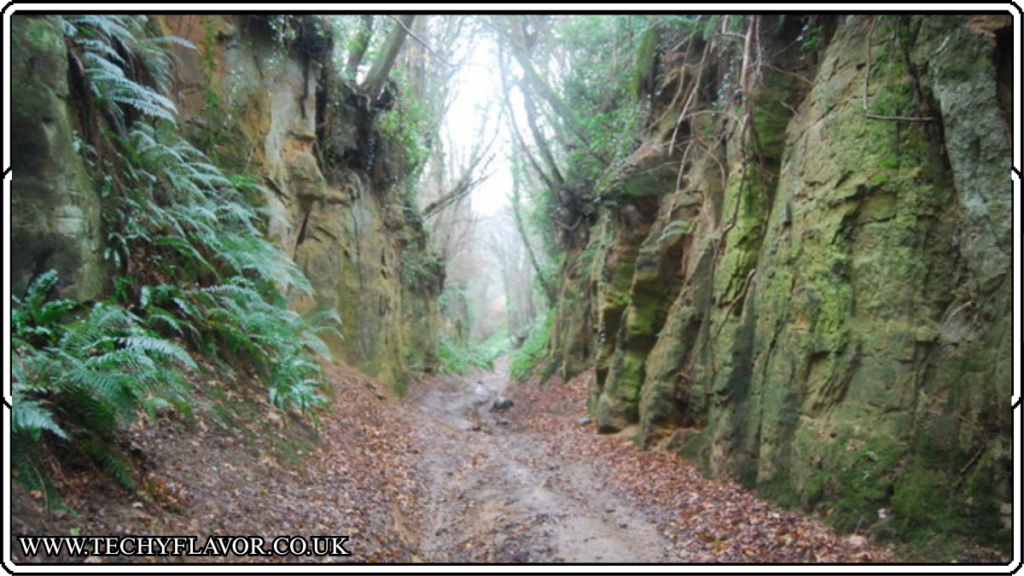

Dorset is packed with famous landmarks, dramatic coastlines and charming villages, yet some of its greatest treasures are found away from the crowds. Shutes Lane Dorset is one such place. Tucked into the rolling countryside, this historic hollow lane offers visitors an unforgettable glimpse into England’s rural past while providing a peaceful escape for walkers, photographers and nature lovers.
Whether you’re planning a countryside walk, researching Dorset’s ancient lanes or simply looking for somewhere different to explore, this guide covers everything you need to know about Shutes Lane, including its history, location, what to expect, nearby attractions and practical visitor tips.
Why Visit Shutes Lane Dorset?
Shutes Lane is much more than a country path. It’s a remarkably preserved sunken lane, sometimes known as a hollow way, created by centuries of people, horses, livestock and carts travelling the same route.
What makes it particularly special is its atmosphere. High earth banks lined with moss, ivy and mature trees create a natural tunnel that changes beautifully with every season. Walking through it feels like stepping back hundreds of years into rural Dorset.
Unlike many popular tourist destinations, Shutes Lane remains wonderfully peaceful, making it ideal for visitors looking to experience authentic English countryside without the crowds.
Key Takeaways
- Shutes Lane is one of Dorset’s best-preserved historic hollow lanes.
- It offers a peaceful walking experience surrounded by mature woodland.
- The lane has developed naturally over hundreds of years through continuous use.
- Every season provides a completely different atmosphere.
- It’s popular with walkers, photographers and local history enthusiasts.
- Nearby villages and countryside walks make it easy to combine with a day out.
- Visitors should wear suitable footwear, especially after rainfall.
Where Is Shutes Lane Dorset?
Shutes Lane is located within the beautiful Dorset countryside in south-west England. Although it isn’t a major tourist attraction with visitor facilities, its appeal lies precisely in its natural and historic character.
The surrounding landscape consists of rolling hills, farmland, woodland and traditional English hedgerows that Dorset is famous for. Many visitors include the lane as part of longer countryside walks through nearby public footpaths and rights of way.
Because it’s a rural location, using an up-to-date map or walking app before visiting is recommended.
The Fascinating History Behind Shutes Lane
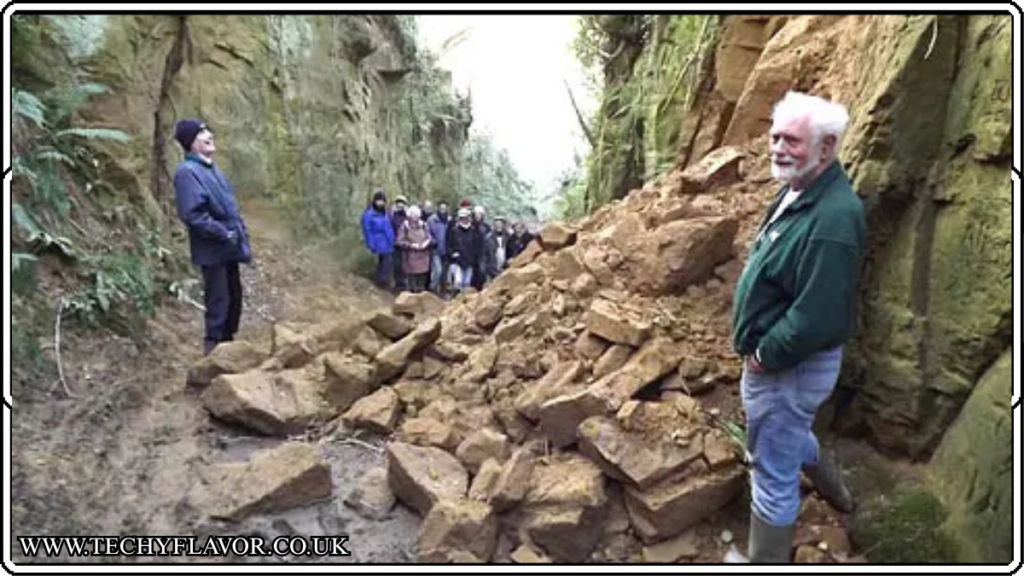
One of the most interesting aspects of Shutes Lane is how it was formed.
Unlike roads built using modern engineering, hollow lanes gradually evolved through centuries of repeated travel. Horses, wagons, livestock and pedestrians all followed the same route year after year.
As rainwater flowed down the track, it washed away loose soil. Combined with constant foot and cart traffic, the lane slowly sank below the surrounding fields.
Over generations, the banks became several metres high in places, creating the enclosed passage visitors enjoy today.
These lanes were once essential transport routes connecting villages, farms, churches and markets across rural Dorset long before tarmac roads existed.
Walking along Shutes Lane offers a rare chance to experience a landscape shaped naturally through hundreds of years of everyday life.
What Makes Shutes Lane So Unique?
Deep Earth Banks
The most striking feature is the impressive earth banks rising on either side of the path.
Covered in ferns, moss and climbing plants, they create an enclosed environment unlike ordinary woodland paths.
Natural Woodland Canopy
Branches arch overhead, forming a leafy ceiling that filters sunlight throughout much of the year.
During summer, the shade provides a pleasantly cool walk even on warm days.
Rich Wildlife
The sheltered conditions encourage a surprising amount of wildlife.
Visitors may spot:
- Robins
- Blackbirds
- Woodpeckers
- Wrens
- Butterflies
- Hedgehogs
- Foxes
- Various woodland insects
The damp banks also support many species of mosses, fungi and ferns.
Peace and Quiet
Perhaps the greatest attraction is the tranquillity.
Unlike busy coastal destinations in Dorset, Shutes Lane offers a genuinely relaxing experience where birdsong often replaces traffic noise.
Walking Through Shutes Lane
The lane itself is relatively straightforward to walk, although conditions change throughout the year.
The surface is naturally uneven and may become muddy after heavy rain.
Comfortable walking boots or sturdy trainers with good grip are highly recommended.
As you walk through the enclosed passage, you’ll notice how the light constantly changes. Small gaps in the canopy create patches of sunlight that move across the lane throughout the day.
Many visitors describe the walk as surprisingly atmospheric because the high banks reduce outside noise and create a feeling of complete immersion in nature.
Best Time to Visit
Every season offers something different.
Spring
Fresh green leaves appear overhead while wildflowers begin blooming along the banks.
Birdsong is particularly lively during this time.
Summer
Dense foliage creates cool shade and lush greenery throughout the lane.
This is one of the most popular times for walkers.
Autumn
Many photographers consider autumn the most spectacular season.
Golden leaves, colourful woodland plants and soft sunlight transform the lane into an exceptionally picturesque location.
Winter
Without leaves on the trees, the structure of the ancient banks becomes easier to appreciate.
Misty mornings often create an especially atmospheric scene.
Photography Opportunities
Shutes Lane is a favourite location for landscape and nature photographers.
Popular subjects include:
- Tree-lined natural tunnels
- Sunlight filtering through woodland
- Moss-covered banks
- Seasonal colours
- Woodland textures
- Country walking scenes
Early morning and late afternoon usually provide the softest natural lighting.
Autumn is particularly rewarding thanks to vibrant foliage and fallen leaves covering the path.
Nearby Attractions Worth Exploring
A visit to Shutes Lane can easily become part of a wider Dorset adventure.
Popular nearby experiences include:
Traditional Dorset Villages
Many nearby villages feature historic cottages, parish churches and welcoming country pubs.
They’re perfect for enjoying lunch after a countryside walk.
Jurassic Coast
One of England’s most famous coastlines lies within easy reach, offering dramatic cliffs, fossil hunting opportunities and spectacular sea views.
Countryside Walking Routes
Dorset is home to an extensive network of public footpaths that pass through woodland, farmland and rolling hills.
Many walkers combine Shutes Lane with longer circular routes.
Local Wildlife
The surrounding countryside supports a wide variety of birds, mammals and native plants, making the area enjoyable for wildlife enthusiasts throughout the year.
Tips for Visiting Shutes Lane Dorset
A little preparation helps ensure the best experience.
- Wear waterproof walking boots if rain is forecast.
- Bring drinking water for longer walks.
- Check weather conditions beforehand.
- Respect local farmland and private property.
- Leave gates exactly as you find them.
- Take litter home.
- Keep dogs under control around livestock.
- Allow extra time for photography.
Since the lane remains a natural countryside feature rather than a managed attraction, visitors should expect rustic conditions.
Why Historic Hollow Lanes Matter
Historic hollow lanes like Shutes Lane are valuable cultural landscapes.
They tell the story of how communities travelled before modern transport.
Rather than being designed by engineers, these routes evolved gradually through countless everyday journeys.
Today they offer:
- Archaeological significance
- Historic landscape preservation
- Wildlife habitats
- Educational value
- Quiet recreational spaces
- Connections to Dorset’s rural heritage
Protecting these ancient routes helps preserve an important part of England’s history for future generations.
Responsible Walking Etiquette
Visitors play an important role in protecting Shutes Lane.
Simple good practice includes staying on established paths to reduce erosion, avoiding disturbance to wildlife and respecting nearby residents.
Photography is welcome, but visitors should avoid climbing the earth banks, which can damage fragile vegetation and contribute to erosion.
Following the countryside code helps ensure everyone can continue enjoying this unique location.
Is Shutes Lane Suitable for Families?
Yes, although families should be prepared for uneven ground.
Children often enjoy exploring the enclosed woodland atmosphere and spotting wildlife along the route.
Parents with very young children should note that pushchairs may struggle on muddy or uneven surfaces.
For older children with an interest in nature or history, the lane provides an engaging outdoor learning experience.
Planning Your Visit
To make the most of your trip:
- Visit during daylight hours.
- Wear weather-appropriate clothing.
- Carry a camera.
- Allow time to explore nearby walking routes.
- Combine your visit with a local village or countryside pub.
Since Shutes Lane is appreciated for its peaceful atmosphere, taking your time rather than rushing through offers the best experience.
Conclusion
Shutes Lane Dorset is one of those rare places that quietly captures the imagination. It isn’t famous for dramatic landmarks or visitor attractions. Instead, its appeal comes from centuries of history, beautiful woodland scenery and an atmosphere that’s increasingly difficult to find.
Whether you’re passionate about historic landscapes, enjoy peaceful countryside walks or simply want to discover a lesser-known corner of Dorset, Shutes Lane rewards visitors with an authentic experience that reflects the county’s rich rural heritage.
It’s a reminder that sometimes the most memorable places aren’t the busiest—they’re the ones that have remained almost unchanged for generations.
Frequently Asked Questions
Is Shutes Lane Dorset open to the public?
Yes. Shutes Lane can generally be accessed via public rights of way. Visitors should respect local signage, neighbouring land and the countryside code.
How long does it take to walk Shutes Lane?
Most people can walk the lane itself in under 30 minutes. Many visitors combine it with longer countryside walks lasting one to three hours.
Is Shutes Lane suitable for dogs?
Yes. Dogs are welcome if kept under proper control, especially where livestock may be present nearby.
When is the best time to visit Shutes Lane Dorset?
Autumn is often considered the most beautiful season because of the colourful foliage, although spring and summer also provide excellent walking conditions.
Why is Shutes Lane historically significant?
It is historically significant because it is an ancient hollow lane formed naturally over centuries by repeated use from people, horses and carts, preserving an important part of Dorset’s rural history.
Read More Blog: